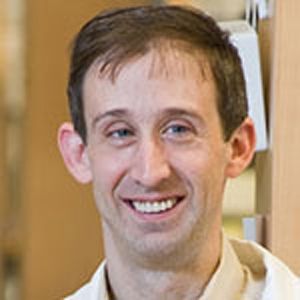
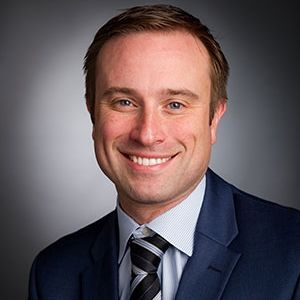
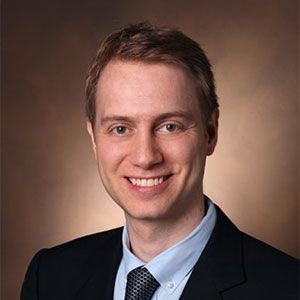
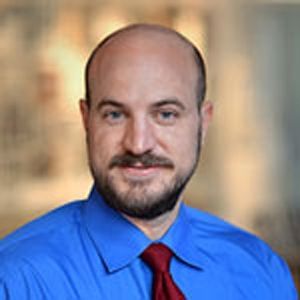
Every Rally Foundation grant is carefully reviewed and vetted by Rally’s Medical Advisory Board, a group of leading pediatric oncologists from across North America. Each application undergoes a rigorous dual peer-review process, and grants are awarded to the highest-scoring proposals.
We take every dollar donated seriously. That’s why our Medical Advisory Board works diligently to ensure every dollar invested in research has the greatest possible impact for children with cancer.
Our Grant Review Process
1
Application Submitted
Researchers submit innovative proposals to advance childhood cancer research.
2
Scientific Match
Rally matches each Medical Advisory Board member to applications that align with their research expertise.
3
Dual Peer Review
Each application is dual peer reviewed to identify the most promising projects.
4
Grant Awarded
Grants are awarded to the highest scoring applications which have the greatest potential for impact.
Meet the Members
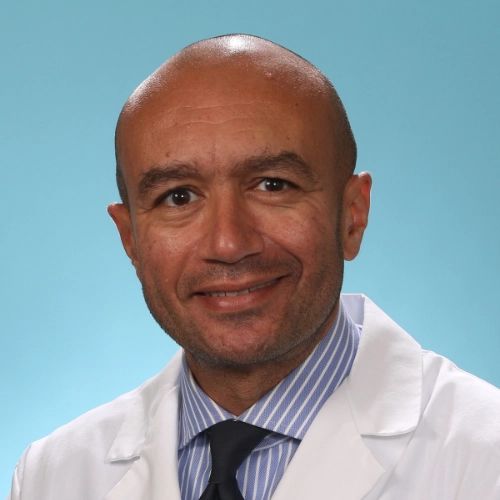
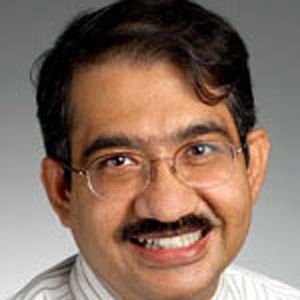
Mohamed Shebl Abdelbaki, MD
Director, Pediatric Neuro-Oncology
Associate Professor of Pediatrics
St. Louis Children's Hospital
Washington University in St. Louis
Dr. Mohamed Shebl Abdelbaki is the Director of the Pediatric Neuro-Oncology Program at St. Louis Children's Hospital (SLCH), and an Associate Professor of Pediatrics at Washington University School of Medicine in St. Louis. Additionally, he is the Director of the Clinical Research Office for the Pediatric Hematology, Oncology and Bone Marrow Transplant division at SLCH. Dr. Abdelbaki is a member of the Central Nervous System Committee at the Children’s Oncology Group. He is the institutional Principal Investigator for both the COllaborative Network for NEuro-oncology Clinical Trials (CONNECT) consortium as well as the Pediatric Neuro-Oncology Consortium (PNOC) – one of the largest consortia in North America conducting early phase clinical research in brain tumors – where he also serves as the Chair of the Germ Cell Tumor Working Group.
Dr. Abdelbaki completed his medical degree at Cairo University, Egypt, and his residency at Albany Medical Center. At Texas Children’s Hospital, he completed both his pediatric neuro-oncology and pediatric hematology oncology fellowships.
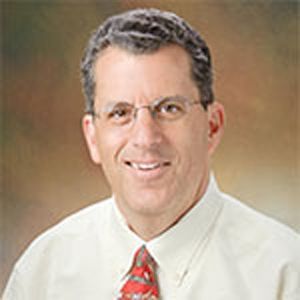
Peter C. Adamson, MD
Global Head of Oncology Development and Pediatric Innovation
Sanofi
Dr. Adamson's broad experience working with many investigators and industry partners, his own extensive research efforts, and his participation in key scientific committees of the National Cancer Institute give him a unique perspective on the challenges facing the cancer clinical trial system. Dr. Adamson’s previous roles at Children's Oncology Group have included leading a 21-site phase 1 consortium that conducted initial evaluations of drugs being developed to treat cancer in children. In 2020, Dr. Adamson was named global development therapeutic area head of oncology and pediatric innovation at Sanofi, where he is leading the global development in cancer, and working with leaders across therapeutic areas to further pediatric drug development efforts. Dr. Adamson is recognized as an Emeritus Professor CE of Pediatrics by the University of Pennsylvania’s Perelman School of Medicine.
Dr. Adamson received his MD from Cornell University Medical College and completed his pediatric residency at Children’s Hospital of Philadelphia from 1984 to 1987. He then became a fellow in Pediatric Hematology/Oncology at the National Cancer Institute, where he also served as a Biotechnology fellow, a Children’s Cancer Foundation Research Scholar, an investigator, and an attending physician over the course of 12 years before returning to Children’s Hospital of Philadelphia.
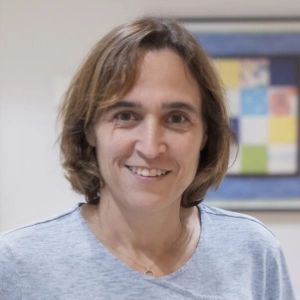
Sarah Alexander, MD
Professor of Pediatrics
The Hospital for Sick Children
Dr. Alexander joined the staff at The Hospital for Sick Children (SickKids) in 2007. She is the Clinical Director of Hematology/Oncology and a Pediatric Oncologist in the Leukemia and Lymphoma Section.
Dr. Alexander received her medical degree from Harvard Medical School in 1994. She did her pediatric training at the Boston Children’s Hospital and her fellowship in Hematology and Oncology at Boston Children’s Hospital and the Dana Farber Cancer Institute. Her research interests include non-Hodgkin lymphoma and treatment-related toxicities.
Saro Armenian, DO, MPH
Chair and Professor, Department of Pediatrics
City of Hope
Dr. Armenian is a pediatric hematologist-oncologist and Director of the Division of Outcomes Research/Intervention at City of Hope Cancer Center Duarte. He is the Barron Hilton Chair in Pediatrics, co-leads the City of Hope Cancer Control and Population Sciences Program, and directs the Center for Survivorship and Outcomes in the Hematologic Malignancies Research Institute. He is a Leukemia & Lymphoma Society Research Scholar and has been the recipient of several National Institutes of Health and other prestigious peer-reviewed foundation grants. Dr. Armenian is the immediate past chair of the Children’s Oncology Group Survivorship and Outcomes Committee and has led international efforts to establish research priorities as part of the American Society of Clinical Oncology, International Guidelines Harmonization Group for Cancer Survivors, and NIH HCT Consensus Late Effects Initiative.
Dr. Armenian completed his medical degree at Western University of Health Sciences and his training in general pediatrics and pediatric hematology/oncology at Children’s Hospital Los Angeles. He earned his MPH from the University of Southern California.
Jasmine Barra, PHD
Postdoctoral Research Fellow
Dalhousie University
Dr. Barra is a senior postdoctoral fellow at Dalhousie University in Canada with a strong background in the molecular biology of cancer. As a postdoctoral fellow she has, among other projects, investigated the role of innate immunity as a key modulator of interferon response to viral infections and to oncolytic virus-based immunotherapy, and developed novel computational approaches to analyze complex multi-omics data. Currently, she is employing multi-omics approaches coupled with spatial transcriptomics to investigate the interplay between the immune and tumor microenvironments within the context of Wilms tumor, the most common extra-cranial solid malignancy of childhood.
Dr. Barra obtained a Ph.D. in Biomedical Sciences from KU Leuven-VIB (Vlaams Instituut voor Biotechnologie, Belgium) where she studied the role of the long non-coding RNA NEAT1 and chemosensitivity of epithelial cancers. Prior to this, she obtained a BSc and MSc (Summa cum Laude) from the University of Milan – Bicocca (Italy). Dr. Barra has an extensive international research portfolio that includes visiting fellowships at the Biotech Research and Innovation Center of Copenhagen (Denmark), the European Institute of Oncology (Italy) and at the Leiden University Medical Center (The Netherlands).
Oren Becher, MD
Division Chief, Pediatric Hematology-Oncology
Mount Sinai Kravis Children’s Hospital
Dr. Becher is the chief of the Jack Martin Fund Division of Pediatric Hematology-Oncology at the Mount Sinai Kravis Children’s Hospital’s Children’s Cancer Program. He treats blood disorders and cancer in children, adolescents, and young adults. Dr. Becher’s research, funded by the National Institutes of Health, focuses on identifying more effective therapies for children with DIPG/DMG.
Dr. Becher earned his MD from Johns Hopkins School of Medicine, completed his residency at Children’s National Medical Center in Washington, D.C., and completed his fellowship in pediatric hematology-oncology and pediatric neuro-oncology at Memorial Sloan Kettering Cancer Center in New York.
Elizabeth Beierle, MD
Surgical Director, Hepatobiliary Clinic
Children’s of Alabama
Dr. Beierle is a tenured Professor of Surgery and Pediatrics at the University of Alabama, Birmingham, and holds the Charles D. McCrary Endowed Chair in Pediatric Surgery. She runs an independently funded research laboratory focused on pediatric solid tumors and cell signaling and has published extensively on this topic. She has robust collaborations with numerous investigators studying novel therapeutics for pediatric solid tumors, fueling her passion for translational research. She is a member of the American Pediatric Surgical Association, the American Academy of Pediatrics, the American College of Surgeons, and the American Surgical Association.
Dr. Beierle earned her medical degree from the University of North Dakota School of Medicine. She completed her general surgery residency at the University of Florida, where she did a year of laboratory study on congenital diaphragmatic hernia and fetal lung development. She completed a pediatric surgery fellowship at St. Christopher’s Hospital for Children in Philadelphia.
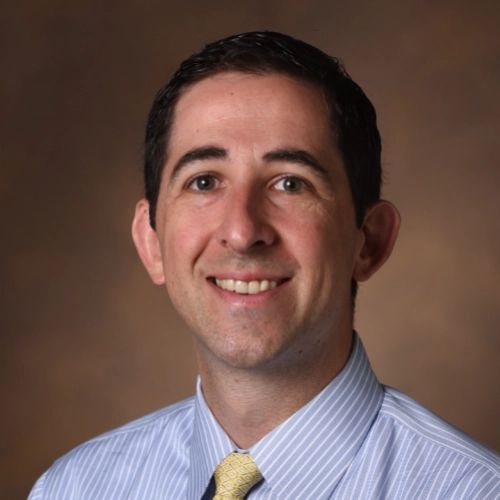
Daniel J. Benedetti, MD, MA
Director of Pediatric Precision Oncology and Cancer Predisposition
Associate Professor of Pediatrics
Monroe Carell Jr. Children’s Hospital at Vanderbilt
Vanderbilt University Medical Center
Dr. Benedetti is an Associate Professor of Pediatrics in the Division of Hematology/Oncology at Monroe Carell Jr. Children’s Hospital at Vanderbilt. Dr. Benedetti is a solid tumor oncologist with clinical and research expertise in pediatric renal tumors and is on the steering committee for the Children’s Oncology Group Renal Tumor Committee. His research interests involve developing clinical trials to improve treatment of higher-risk renal tumors. Dr. Benedetti has an advanced degree and training in bioethics, serves on the COG Bioethics Committee, and conducts research exploring ethical dilemmas that occur in the care of children with cancer.
Dr. Benedetti received a bachelor’s degree from the University of Pennsylvania, and his MD and MA in bioethics from the University of Washington. He completed pediatric residency and a Clinical Bioethics fellowship at Seattle Children’s Hospital, and fellowship in Pediatric Hematology/Oncology at Dana-Farber/Boston Children’s Cancer and Blood Disorders Center.
Joshua Bernstock, MD, PHD
Resident Physician, Neurosurgery
Postdoctoral Scientist
Boston Children’s Hospital & Brigham and Women’s Hospital
Massachusetts Institute of Technology
Dr. Bernstock is a neurosurgeon at Brigham and Women’s and Boston Children’s Hospitals who intends to specialize in pediatric neurosurgical oncology. With adamantine certainty, his life is dedicated to translational science and medicine and it is his driving desire to improve outcomes for children with brain tumors by developing and improving novel, targeted therapies. Dr. Bernstock has diverse medical/surgical knowledge with unique expertise in the repositioning of approved drugs and the development/characterization of novel/experimental immunotherapeutics.
Dr. Bernstock completed his MD at the University of Alabama Birmingham and PhD at the University of Cambridge under the auspices of the NIH-Oxford Cambridge Scholars Program. He continued to work on basic and translational immunotherapy projects related to pediatric neuro-oncology and participated in the first-in-children trial of intratumoraloHSV in recurrent supratentorial malignant brain tumors, and first-in-human trial of intratumoraloHSV in recurrent cerebellar tumors.
Smita Bhatia, MD, MPH
Distinguished Professor; Vice-Chair of Outcomes, UAB Pediatrics; Gay and Bew White Endowed Chair in Pediatric Oncology; Director, Institute for Cancer Outcomes and Survivorship
University of Alabama at Birmingham
Dr. Bhatia's current focus is to establish a comprehensive program for cancer outcomes and survivorship research at University of Alabama at Birmingham (UAB). This program will reduce the burden of cancer and its sequelae across all segments of the population through collaborative interdisciplinary, interventional, and educational efforts in Pediatrics and other Departments. She also serves as the Associate Chair for the Children’s Oncology Group, coordinating survivorship research across 200 pediatric oncology institutions in the U.S. Dr. Bhatia is an elected member of the American Society for Clinical Investigation.
Dr. Bhatia is a graduate of the All India Institute of Medical Sciences in New Delhi where she also completed her residency. She completed her fellowship at the University of Minnesota and was a professor at City of Hope before moving to UAB.
Neel Bhatt, MD
Attending Physicians
Assistant Professor, Clinical Research Division
Seattle Children’s Hospital
Fred Hutchinson Cancer Center
Dr. Bhatt is a pediatric stem cell transplant physician at Fred Hutchinson Cancer Center/ University of Washington, Seattle, WA. His research interests focus on cancer and SCT survivorship with specific emphasis on understanding and improving social reintegration challenges of pediatric cancer and HCT survivors. Dr. Bhatt also serves on the Children's Oncology Group Long-Term Follow-Up Guidelines Task Force and the American Society of Transplantation and Cellular Therapy Survivorship Special Interest Group steering committee.
Dr. Bhatt received his medical degree from B. J. Medical College, Civil Hospital, Ahmedabad, India, and subsequently pursued a Masters in Public Health at the University of Texas School of Public Health, Houston, TX. He completed his pediatric residency at the Icahn School of Medicine at Mount Sinai, Elmhurst Hospital Center, NY, and fellowship in pediatric hematology/ oncology/bone marrow transplant and cancer survivorship from Medical College of Wisconsin, Milwaukee, WI, and St. Jude Children’s Research Hospital, Memphis, TN, respectively.
Scott Borinstein, MD, PHD
Director, Pediatric Sarcoma Program, Adolescent and Young Adult Oncology Program, and Pediatric Hematology-Oncology Fellowship Program
Children’s Hospital at Vanderbilt
Dr. Borinstein is the Scott and Tracie Hamilton Chair in Cancer Survivorship in the Division of Pediatric Hematology/Oncology at Vanderbilt University Medical Center. He is the director of the Pediatric Sarcoma and Adolescent and Young Adult (AYA) oncology programs, serves as the Pediatric Hematology/Oncology fellowship Program Director, and is the local institutional principal investigator for the Children's Oncology Group. He is a nationally recognized expert in bone and soft tissue sarcomas and his research and clinical interests are aligned to improve the treatment and outcomes of children, teenagers and young adults with cancer. In addition to conducting translational research in pediatric sarcomas, highly malignant cancers of bone, muscle and connective tissue. Dr. Borinstein is involved in the development and implementation of clinical trials for solid tumors and AYA cancer patients, to integrate new drugs and protocols into our current cancer therapies. Dr. Borinstein is also actively involved in developing ways to improve supportive care and minimize late effects for AYA patients during and after being treated with cancer.
Dr. Borinstein earned his MD and PhD from the Medical College of Virginia. He completed a pediatric residency and fellowship in pediatric hematology/oncology at Seattle Children's Hospital.
Kristopher Bosse, MD
Assistant Professor of Pediatrics
Children's Hospital of Philadelphia
Dr. Kristopher Bosse is an Assistant Professor in the Division of Oncology and the Department of Pediatrics at the Children's Hospital of Philadelphia (CHOP) and the Perelman School of Medicine at the University of Pennsylvania (Penn). Dr. Bosse is a physician-scientist focused on the pediatric cancer neuroblastoma. After starting his research career focused on the physical sciences, he was awarded a prestigious Howard Hughes Medical Institute Training Award during medical school to investigate the functional mechanisms underlying several neuroblastoma predisposition loci discovered via a genome-wide association study approach. Dr. Bosse remains interested in defining how both common and rare genomic variation predisposes to pediatric cancers, particularly in describing the role of the BARD1 gene. Dr. Bosse is also currently part of a large collaborative effort funded by a St. Baldrick’s Foundation-Stand Up to Cancer grant to bring the fields of genomics and immunology together to develop new immunotherapies to combat childhood cancers. The Bosse laboratory is currently using an integrated genomic and functional approach to identify and validate novel cell surface molecules for immunotherapeutic targeting in high-risk neuroblastoma and several related pediatric cancers. These efforts include a comprehensive research program focused on developing glypican 2 (GPC2)-directed antibody-drug conjugates and chimeric antigen receptor (CAR) T cell therapies, the latter recently leading to the opening of a first-in-human Phase 1 clinical trial for children with neuroblastoma.
Dr. Bosse graduated summa cum laude with honors from Bowdoin College and he completed his medical degree and training at Penn and CHOP.
Katharine Brock, MD
Assistant Professor of Pediatrics
Emory University
Dr. Brock is a pediatric hematologist/oncologist and director of the Supportive Care Clinic at the Aflac Cancer and Blood Disorders Center of Children’s Healthcare of Atlanta. Dr. Brock is an assistant professor of pediatrics at Emory University School of Medicine. She is a member of the Cancer Prevention and Control Research Program at Winship Cancer Institute of Emory University in Atlanta, Georgia. Dr. Brock's research focuses on palliative care for pediatric patients with cancer and blood diseases, including improved access to palliative care and the development of a supportive oncology outpatient model. She is also interested in graduate medical education research in palliative care and has developed novel strategies for measuring and teaching palliative care through the use of surveys, didactic and simulation-based curricula.
Dr. Brock received her medical degree from Northwestern University Feinberg School of Medicine in Chicago. After a residency in pediatrics at the University of Colorado and Children’s Hospital Colorado, she completed a clinical research fellowship in pediatric hematology and oncology at Stanford University and an additional fellowship in hospice and palliative medicine at Dana-Farber/Boston Children's Hospital. She also holds a master’s degree in epidemiology and clinical research from Stanford University.
Michael Burke, MD
Director of the Pediatric Leukemia & Lymphoma Program
Children’s Wisconsin
Dr. Burke is an Associate Professor and pediatric oncologist at Children’s Wisconsin in the Division of Hematology/Oncology. He is Director of the Pediatric Leukemia & Lymphoma Program and Co-Director of the Developmental Therapeutics Program where he oversees all early-phase clinical trials at Children's. Dr. Burke’s research interests focus on reporting clinical outcomes for both children and adults with high-risk leukemia for which he has over 30 publications as well as the development of early phase clinical trials investigating novel agents and/or combination therapies for relapsed/refractory acute leukemia.
Dr. Burke completed his pediatric residency at the Medical College of Virginia, Virginia Commonwealth University, and pediatric fellowship training in hematology-oncology at Northwestern University Lurie Children’s Hospital.
Sharon Castellino, MD, MSc
Professor of Pediatrics
Emory University
Sharon Castellino is Professor of Pediatrics at Emory University School of Medicine and the Director of the Leukemia and Lymphoma Program at the Aflac Cancer and Blood Disorders Center in Children’s Healthcare of Atlanta. She holds the Mark R. Hudgens Chair for Clinical Research. She is a member of the Cancer Prevention and Control Research Program at Winship Cancer Institute at Emory University.
Nationally, Dr. Castelino serves as the Scientific Chair for the Children’s Oncology Group (COG) Hodgkin lymphoma committee. She has led several seminal clinical trials for children, adolescents and young adults (AYA) with Hodgkin lymphoma and has been a leader in creating models for collaborative research to benefit children and adolescents. Her expertise is in the study of outcomes in patients with hematologic malignancies and in design of clinical trials in pediatric oncology. An evolving focus of her work includes looking at issues of health access and insurance policies for children and AYA with blood cancers.
Lewis S. Roberts, MB, CHB, PHD
Professor, Gastroenterology Cancer Research
Mayo Clinic
Dr. Roberts is a Consultant and Associate Chair, Equity, Inclusion, and Diversity in the Division of Gastroenterology and Hepatology, Department of Internal Medicine at the Mayo Clinic. Dr. Roberts’ clinical practice is focused on liver and bile duct cancers and gastrointestinal endoscopy. His research includes studies of the molecular mechanisms of liver and biliary carcinogenesis; biomarkers to improve the diagnosis and treatment of liver, bile duct, and pancreas cancers; and prevention, diagnosis, and treatment of hepatitis and liver cancer in Africa as well as in immigrant African communities in the USA.
Dr. Roberts earned his medical degree from the University of Ghana Medical School, a PhD in Physiology and Biophysics from the University of Iowa, and completed postgraduate training in Internal Medicine, Gastroenterology and Hepatology, and Cancer Genetics at Mayo Clinic.
Kenneth Chen, MD
Attending Physician and Assistant Professor of Pediatrics
UT Southwestern Medical Center/Children’s Medical Research Institute
Dr. Chen is an Assistant Professor of Pediatrics at the Children's Medical Center Research Institute. He is an Attending Physician in the Gill Center for Cancer and Blood Disorders at Children’s Medical Center in Dallas. As a physician-scientist, he divides his time between his research laboratory and Children’s Medical Center in Dallas, where he specializes in the care of children with cancer and blood disorders. His research interests in the laboratory focus on understanding the genetic drivers of childhood cancers, especially Wilms tumor, pleuropulmonary blastoma, and other cancers driven by mutations that impair microRNA processing.
Dr. Chen received his B.S.E. in biomedical engineering from Johns Hopkins University and his MD from UT Southwestern. He then completed pediatric residency and pediatric hematology-oncology fellowship at UT Southwestern, where he joined the laboratory of James F. Amatruda.
Nai-Kong V. Cheung, MD, PHD
Neuroblastoma Program Head, Pediatric Oncology
Memorial Sloan Kettering Cancer Center
Dr. Cheung is a pediatric oncologist who specializes in immunologic approaches for the diagnosis and treatment of pediatric cancers. His focus is the treatment of neuroblastoma, a tumor that arises from primitive cells of the sympathetic nervous system and that primarily affects young children.
Dr. Cheung received his MD and PhD from Harvard Medical School. He completed a residency in pediatrics and a fellowship in hematology/oncology at Standford University.
Mark Chiang, MD, PHD
Associate Professor of Internal Medicine, Hematology/Oncology
University of Michigan
Dr. Chiang’s research interests revolve around T-cell acute lymphoblastic leukemia, NOTCH signaling, and mouse modeling of hematological malignancies. He spends 80% of his time running a laboratory focused on understanding the molecular mechanisms of leukemia oncogenesis and the other 20% is spent teaching graduate and medical students and actively caring for patients with blood disorders.
Dr. Chiang earned his MD and PhD from the University of Pennsylvania School of Medicine.
Murali Chintagumpala, MD
Clinical Director, Brain Tumor Program; Co-Director, Retinoblastoma Program
Texas Children’s Hospital
Dr. Chintagumpala oversees all clinical and clinical research activities involving children with brain tumors and solid tumors. His specific interests include the management of children with all brain tumors, retinoblastoma, bone tumors and kidney tumors. He is the principal investigator representing Baylor College of Medicine in the Pediatric Brain Tumor Consortium and serves as a member of the Brain Tumor Committee and chair of the Retinoblastoma Committee within the Children’s Oncology Group. He is the principal investigator of a multi-institutional study designed to improve survival in patients with osteosarcoma as part of the Bone Tumor Program.
Dr. Chintagumpala is a graduate of Madras Medical College in India. He completed his residency at Columbus Hospital in Chicago, then graduated from the Baylor College of Medicine Fellowship Program in Pediatric Hematology/Oncology.
Eric J. Chow, MD, MPH
Medical Director, Cancer Survivorship Program
Seattle Children’s Hospital
Dr. Eric Chow is an expert in cancer survivorship. He focuses on survivors of childhood cancers and survivors of blood stem cell transplantation of all ages. His goal is to help these survivors live healthier lives by better preventing, detecting, and treating late effects of cancer therapies. In particular, he identifies risk factors that are linked to heart disease and other cardiovascular complications in cancer survivors. These may include medication regimens, genetics, and health conditions like obesity. His research ranges from large-scale analyses of medical records data to clinical trials of health-promoting interventions. Dr. Chow holds leadership positions within the Children's Oncology Group’s Outcomes and Survivorship Committee and the National Cancer Institute-sponsored Childhood Cancer Survivor Study.
Dr. Chow earned his MD with thesis from the University of California, San Francisco, and his MPH from the University of California, Berkeley in Epidemiology and Biostatistics.
Dai Chung, MD
Professor, Department of Surgery; Chair in Pediatric Surgery
Chief Surgeon
UT Southwestern Medical Center
Children’s Health
Dr. Chung is a chief surgeon and SVP of Surgical Services at Children’s Health℠. He is also the chief medical officer of the joint pediatric enterprise for Children’s Health and UT Southwestern. Dr. Chung specializes in treating pediatric solid tumors, minimally invasive surgery, and pediatric burns. He has also done significant research in developing novel targeted therapeutics against neuroblastoma, the most common extracranial solid tumor in children.
Dr. Chung earned his medical degree at the University of Texas Medical Branch in Galveston, Texas, where he also completed an internship and a residency in surgery. He received advanced training through a fellowship in pediatric surgery at Cincinnati Children’s Hospital Medical Center/University of Cincinnati College of Medicine, as well as through research fellowships with the National Institutes of Health at Shriners Burns Hospital and the University of Texas Medical Branch.
John Crispino, PHD, MBA
Member; Director, Experimental Hematology
St. Jude Children’s Research Hospital
Dr. Crispino is the Director of the Division of Experimental Hematology at St. Jude Children’s Research Hospital. Previously, Dr. Crispino was the Associate Director of Education and Training at the Robert H. Lurie Comprehensive Cancer Center at the Feinberg School of Medicine in Chicago, IL as well as a Lora S Lurie Professor of Medicine. Dr. Crispino studies the biology of normal and malignant blood cell development. In 2002, his team discovered that GATA1 mutations are associated with acute megakaryocytic leukemia in children with Down syndrome. Since that time, his laboratory has focused on understanding why children with DS face an increased risk of both myeloid and lymphoid leukemia and on developing improved therapies for the malignancies.
Dr. Crispino earned his PhD in Biology from the Massachusetts Institute of Technology and completed a postdoctoral fellowship at Boston Children’s Hospital before launching his own innovative research program at the University of Chicago. He then moved his laboratory to Northwestern University, where he also earned his MBA from the Kellogg School of Management.
Brian D. Crompton, MD
Research Co-Director, Solid Tumor Center
Assistant Professor of Pediatrics
Dana-Farber/Boston Children’s Cancer Institute
Harvard Medical School
Dr. Crompton is a pediatric oncologist who specializes in caring for patients with solid tumor malignancies and cancer predispositions. His laboratory focuses on utilizing proteomic and genomic approaches to expand our understanding of cancer biology and identify novel treatment approaches for pediatric sarcomas. One goal of his laboratory is to validate the use of specific tyrosine kinase inhibitors in combination with other agents in the treatment of Ewing sarcoma. Dr. Crompton’s group is also focused on developing new non-invasive tumor profiling techniques, also known as liquid biopsies, to quantify disease burden, monitor patients for clinical responses to therapy, and discover clinically relevant patterns of tumor evolution.
Dr. Crompton earned his medical degree at Boston University School of Medicine. He completed a residency in pediatrics at the University of California San Francisco Medical Center and a fellowship at Boston Children's Hospital/Dana-Farber Cancer Institute in pediatric hematology/oncology.
Anthony Daniels, MD, MSC
Chief, Division of Ocular Oncology and Pathology
Vanderbilt Eye Institute and Vanderbilt-Ingram Cancer Center
Dr. Daniels is chief of the Division of Ocular Oncology and Pathology and director of the Ocular Oncology Fellowship Program in the Department of Ophthalmology at Vanderbilt Eye Institute and Vanderbilt-Ingram Cancer Center. He specializes in ocular tumors in adults and children, including melanoma, retinoblastoma, ocular metastases, lymphoma, and ocular surface tumors. His research focuses on drug discovery and animal models for eye cancers.
Dr. Daniels graduated from Princeton University and subsequently received a master’s degree in public health policy from the London School of Economics. After attending the University of Pennsylvania School of Medicine, Dr. Daniels completed an internship at Memorial Sloan-Kettering Cancer Center, and then both his ophthalmology residency as well as a vitreoretinal surgery fellowship at the Massachusetts Eye and Ear Infirmary at Harvard Medical School. He subsequently did additional training in the management of ocular tumors at Memorial Sloan-Kettering Cancer Center and the Mayo Clinic.
Christopher Derenzo, MD, MBA
Assistant Member, Department of Bone Marrow Transplantation and Cellular Therapy
St. Jude Children’s Research Hospital
Dr. DeRenzo leads the study of CAR T-cell therapy in the treatment of solid tumors at St. Jude. He is an Assistant Member and is focused on harnessing the body’s immune system to treat pediatric patients with solid tumors. His efforts are aimed at developing novel methods for training patients’ T-cells to target tumors.
Dr. DeRenzo earned his MD from Rutgers Robert Wood Johnson Medical School, his MBA from Rutgers Business School, and completed his fellowship at Baylor College of Medicine/Texas Children’s Hospital.
Girish Dhall, MD
Director, Pediatric Hematology and Oncology
Children’s of Alabama and University of Alabama at Birmingham
Dr. Dhall is a Professor of Pediatrics and Benjamin Russell Endowed Chair in Pediatric Hematology & Oncology, and Division Director of the Pediatric Hematology, Oncology, and Blood & Marrow Transplantation Program at the University of Birmingham in Alabama (UAB) and Children’s of Alabama (COA). He is Director of the COA Pediatric Clinical Trails Office, Deputy Director of the Neurofibromatosis Clinical Trials Consortium, and titled Senior Scientist at UAB’s O’Neal Comprehensive Cancer Center. He is also Head of the Pediatric Neuro-oncology program. His major area of research interest is clinical research in CNS germ cell tumors and infant medulloblastoma and designing early-phase clinical trials for patients with pediatric brain tumors. His major area of interest is clinical research in CNS germ cell tumors and infant medulloblastoma and designing early-phase clinical trials for patients with pediatric brain tumors.
Dr. Dhall earned his medical degree from Grant Medical College and completed his residency at New York Medical College. He completed fellowships in pediatric hematology/oncology and neuro-oncology at New York University and the University of Southern California, respectively.
Jeffrey Dome, MD, PHD
Division Chief, Hematology/Oncology; Senior Vice President, Center for Cancer and Blood Disorders
Children’s National Hospital
Dr. Dome is an internationally recognized expert on pediatric solid tumors, with an emphasis on kidney tumors and sarcomas. He is presently on the Scientific Council of the Children’s Oncology Group (COG), the editorial board of Pediatric Blood and Cancer, and is past chair of the American Board of Pediatrics Sub Board of Hematology/Oncology. He also chaired the COG’s Renal Tumor Committee for more than a decade.
Dr. Dome received his MD from the University of Pennsylvania’s School of Medicine and PhD in medicine from Erasmus University in Rotterdam. He completed a residency in pediatrics at Yale-New Haven Hospital and completed a fellowship in pediatric hematology/oncology at Johns Hopkins Hospital. After fellowship, Dr. Dome was a faculty member at St. Jude Children’s Research Hospital before joining Children’s National in 2006.
Adam Durbin, MD, PHD
Assistant Member, Division of Molecular Oncology
St. Jude Children’s Research Hospital
Dr. Durbin is an Assistant Member in the Division of Molecular Oncology at St. Jude Children’s Research Hospital studying epigenetic and transcriptional regulation of high-risk pediatric cancers, including neuroblastoma and rhabdomyosarcoma, drug discovery for pediatric high-risk tumors, and pathogenesis and modeling of rare tumors.
Dr. Durbin received his MD and PhD from the University of Toronto, studying pediatric rhabdomyosarcoma and osteosarcoma. He completed his residency at Boston Children’s Hospital and Boston Medical Center, and then his fellowship in Pediatric Hematology/Oncology at Dana-Farber Cancer Institute and Boston Children’s Hospital.
Natia Esiashvili, MD, FASTRO
Professor, Hematology and Medical Oncology
Emory University
Dr. Esiashvili is a board-certified radiation oncologist who specializes in the treatment of complex pediatric cancers and hematological malignancies in adults. Dr. Esiashvili leads the pediatric radiation oncology service at Winship and is involved in using radiotherapy as a component of the bone marrow transplantation program. She is also a co-leader of the Young Adult Cancer Survivorship Program at Winship. Dr. Esiashvili serves as president of the Pediatric Radiation Oncology Society and holds memberships with the American Society of Therapeutic Radiation Oncology, American Society of Clinical Oncology, American College of Radiology, Children's Oncology Group, and Pediatric Radiation Oncology Society, among others.
Dr. Esiashvili earned her MD from Tbilisi State Medical University in her home country, the Republic of Georgia, and completed her residency in radiation oncology at Emory University Hospital.
Angela M. Feraco, MD, MMSC
Attending Physician
Dana-Farber Cancer Institute/Boston Children’s Cancer and Blood Disorders Center
Dr. Feraco’s clinical expertise is in pediatric leukemias and lymphomas with a particular emphasis on Hodgkin lymphoma. Dr. Feraco is also a medical educator and serves as Associate Program Director for the Pediatric Hematology/Oncology Fellowship at Dana-Farber Cancer Institute and Boston Children’s Hospital. Dr. Feraco studies interprofessional collaboration and communication among pediatric oncology teams and pediatric palliative care teams. Ultimately, Dr. Feraco seeks to leverage meaningful interprofessional teamwork and high-quality communication to enhance disease outcomes and quality of life for children with cancer.
Dr. Feraco earned her MD from the University of California San Francisco and a Master of Medical Science in Medical Education from Harvard Medical School. She completed her clinical training in pediatrics in the Boston Combined Residency Program and her pediatric hematology/oncology fellowship training at Dana-Farber Cancer Institute and Boston Children’s Hospital.
A. Lindsay Frazier, MD
Pediatric Hematology/Oncology
Professor, Pediatrics
Boston Children’s Hospital / Dana-Farber Cancer Institute
Harvard Medical School
Dr. Frazier is a Professor of Pediatrics at Harvard Medical School and an Institute Physician at the Dana-Farber Cancer Institute. Dr. Frazier is also an Associate Professor at the Harvard Chan School of Public Health. Dr. Frazier leads the Malignant Germ Cell International Consortium (MaGIC) which is conducting research across the spectrum of cancer research from basic biology to clinical trials to survivorship. MaGIC now consists of 120 GCT experts from 16 countries. Dr. Frazier co-leads the Center for Adolescent and Young Adult Oncology at Dana-Farber Cancer Institute. Dr. Frazier also has an interest in mentorship and mentorship training and currently serves as Principal Facilitator for the Center for the improvement in the Mentored Experience in Research (CIMER).
Dr. Frazier received her MD from Dartmouth Medical School, followed by a pediatric residency at Children’s Hospital Boston and a pediatric hematology-oncology fellowship at Dana Farber Cancer Institute, where she joined the faculty in 1990.
Debra Friedman, MD
Deputy Director, Vanderbilt-Ingram Cancer Center, Director of the Division of Pediatric Hematology and Oncology
Children’s Hospital at Vanderbilt
Dr. Friedman is the E. Bronson Ingram Chair of Pediatric Oncology, the leader of the Cancer Control and Prevention Program, and directs the Cancer Survivorship Programs at the Vanderbilt-Ingram Cancer Center. Dr. Friedman's research interests lie in the long-term outcomes for cancer survivors. She has leadership roles in the Children's Oncology Group and is an internationally recognized expert in cancer survivorship, participating in projects evaluating best practices and models of care.
Dr. Friedman completed her pediatric residency and a joint fellowship in Pediatric Hematology/Oncology and Cancer Epidemiology at the University of Pennsylvania and The Children's Hospital of Philadelphia (CHOP). Before coming to Vanderbilt in 2008, she served as the co-director of the Cancer Survivorship Program at CHOP and then, as the founder and director of the Fred Hutchinson Cancer Research Center Survivorship Program.
Gregory Friedman, MD
Professor, Department of Pediatrics Patient Care, Division of Pediatrics
The University of Texas MD Anderson Cancer Center
Dr. Friedman’s primary interests are pediatric neuro-oncology and conducting pediatric brain tumor research. His overarching goal is to improve outcomes for children with malignant brain tumors by developing and improving novel, targeted therapeutics like oncolytic engineered herpes simplex virotherapy in the lab and then translating these therapies to clinical trials.
Dr. Friedman is a graduate of the College of William and Mary and the Medical College of Georgia. He completed his pediatric residency and fellowship in pediatric hematology/oncology at the University of Alabama at Birmingham.
Amar Gajjar, MD
Chair, Department of Pediatric Medicine; Co-Chair, Department of Oncology
St. Jude Children’s Research Hospital
Dr. Gajjar’s current clinical research interests focus on innovative protocols for the treatment of childhood brain tumors, with a focus on medulloblastoma, PNET, and rhabdoid tumors (ATRT). He is Chair of the Department of Pediatric Medicine, co-chair of the Department of Oncology, and the Scott and Tracie Hamilton Endowed Chair in Brain Tumor Research.
Dr. Gajjar earned his MD at Grant Medical College, J.J. Group of Hospitals, Bombay, India.
Rebecca Gardner, MD
Associate Member
St. Jude Children's Research Hospital
Dr. Gardner is a pediatric oncologist who spent the past two decades focusing on T cell-based therapeutics for pediatric malignancies with expertise in the academic medical center in bringing products from the bench to the bedside, with a strong interest in reverse translation. While in Seattle, she oversaw the clinical development group responsible for 15 active CAR T cells for pediatric malignancies with indications across both liquid and solid tumors and the treatment of over 500 patients. Most recently she joined St. Jude Children’s Research Hospital as an Associate Member.
Dr. Gardner received her medical degree from the University of Maryland. She went on to complete her pediatric residency at the University of Utah and her fellowship in Pediatric Hematology/Oncology at the University of Washington and the Fred Hutchinson Cancer Research Center.
Robyn Gartrell, MD
Assistant Professor of Oncology
Johns Hopkins School of Medicine
Dr. Gartrell is a physician-scientist and pediatric oncologist at Johns Hopkins University School of Medicine. Dr. Gartrell’s primary research focuses on combination approaches including radiation, chemotherapy, and other target agents with immunotherapy to improve response, increase survival, and decrease toxicity for children, adolescents, and young adults with cancer. Her laboratory uses advances in tumor immunology to develop more effective and more personalized therapies using multiplex platforms and immunogenomics to evaluate the tumor microenvironment and determine which pediatric tumor types, and which patients, will respond to immunotherapy.
Dr. Gartrell earned her medical degree from Ross University School of Medicine. She completed her Residency at Kansas University Medical Center. She completed her clinical pediatric hematology/oncology fellowship at New York Presbyterian / Columbia University Irving Medical Center (CUIMC), and a postdoctoral fellowship in Immunotherapy and Precision Medicine. She also completed a Master of Science in Patient Oriented Research as well as her first 5 years as faculty at CUIMC.
Jonathan Gill, MD
Professor, Department of Pediatrics Patient Care, Division of Pediatrics; Associate Professor, Department of Sarcoma Medical Oncology
University of Texas MD Anderson Cancer Center
Dr. Gill’s main clinical interest is in sarcomas and rare solid tumors in children. His primary research interest is in Developmental Therapeutics and developing clinical trials introducing new agents or novel combination therapies. He is a member of the Children’s Oncology Group’s Bone Tumor Committee and the Connective Tissue Oncology Society.
Dr. Gill completed his MD at the Geffen School of Medicine at UCLA and his Fellowship in Pediatric Hematology and Oncology at Memorial Sloan Kettering Cancer Center and New York Presbyterian/Weill Cornell, Cornell, NY.
Kelly Goldsmith, MD
Co-Leader of the Discovery and Developmental Therapeutics Research Program
Winship Cancer Institute of Emory University
Dr. Goldsmith specializes in the treatment of neuroblastoma, Wilms tumor, and other renal tumors of childhood. Her laboratory investigates the molecular mechanisms of chemotherapy resistance in pediatric neuroblastoma, focusing on experimental therapeutics that restore therapy sensitivity. Her translational research provided the concept behind a first in pediatrics Phase I trial of simvastatin in combination with chemotherapy for recurrent solid/CNS tumors of childhood. She is co-chair of a NANT Precision Medicine Study for recurrent neuroblastoma and chair of the AflacST1402 trial. Dr. Goldsmith rounds out her bench to bedside personality as the clinical director of the Refractory and Recurrent Neuroblastoma Program where she and her team work to match a relapsed patient with the appropriate therapy for their recurrent disease.
Dr. Goldsmith earned her MD from the University of Alabama School of Medicine in Birmingham, AL. She completed a residency in pediatrics and a fellowship in pediatric hematology and oncology at The Children's Hospital of Philadelphia.
Vidya Gopalakrishnan, PHD
Associate Professor of Pediatrics Research and Molecular and Cellular Oncology
University of Texas MD Anderson Cancer Center
Dr. Gopalakrishnan’s research focuses on studying the molecular basis of medulloblastoma and identifying novel therapeutic targets for the disease.
Dr. Gopalakrishnan received her PhD from The University of Pittsburgh School of Medicine and completed her postdoctoral fellowship in Molecular Genetics/Biochemistry at Johns Hopkins University School of Medicine.
Dr. Green is an Associate Professor of Pediatrics at the University of Colorado School of Medicine and an attending pediatric neuro-oncologist at Children's Hospital Colorado. His lab investigates novel targets and therapeutic strategies in the treatment of pediatric high-grade gliomas, including diffuse midline glioma. He is also a member of the Children’s Oncology Group and the DIPG DMG National Tumor Board.
Dr. Green attended medical school at NYU, served as chief resident in pediatrics at the University of Colorado, and served as a pediatric hematology-oncology fellow at Dana-Farber Cancer Institute/Boston Children's Hospital.
Lillian Guenther, MD
Assistant Member
St. Jude Children’s Research Hospital
Dr. Guenther is an Assistant Member in the Division of Molecular Oncology at St. Jude Children’s Research Hospital, where she is a physician-scientist who specializes in the care of patients with solid tumor malignancies. Her laboratory focuses on utilizing chemical and genomics screening modalities to identify critical survival genes in pediatric bone sarcomas, with a particular focus on osteosarcoma. One particular interest of the Guenther Lab is to understand the way that osteosarcoma cells repair their damaged DNA, and how to manipulate this process for cancer therapy. The Guenther Lab’s ultimate goal is to translate pre-clinical findings into novel targeted treatment strategies, leading to improved clinical outcomes for children with these devastating malignancies.
Dr. Guenther received her MD from SUNY Downstate College of Medicine and completed her General Pediatrics Residency and Fellowship in PediatricHematology/Oncology at Boston Children’s Hospital and Dana-Farber Cancer Institute.
Rintaro Hashizume, MD, PHD
Associate Professor, Division of Pediatric Hematology/Oncology
University of Alabama at Birmingham
Dr. Hashizume’s clinical interests/major research include: understanding the molecular mechanism of the development of pediatric brain tumors (DIPG, AT/RT, Ependymoma), genetic and epigenetic targeted therapy, development of patient-derived animal models, and new drug delivery to the brain tumor.
Dr. Hashizume trained as a physician-scientist at the St. Marianna University School of Medicine in Kawasaki, Japan. He completed his post-doctoral fellowship in the Department of Biochemistry and Molecular Biology at The University of Texas MD Anderson Cancer Center. He was recruited to the University of California San Francisco Brain Tumor Research Center and became an Assistant Professor and then joined Northwestern University as tenure track faculty. He served as a principal investigator and educator at Northwestern University until 2023 when he was recruited to the University of Alabama at Birmingham as Associate Professor.
Douglas S. Hawkins, MD, MPH
Group Chair
Children’s Oncology Group
Dr. Hawkins is the Group Chair of the Children's Oncology Group (COG), a National Cancer Institute supported consortium of more than 200 centers across North America, Australia, New Zealand, and parts of Europe, which conducts clinical-translational research including large-scale clinical trials in children with cancer. Dr. Hawkins is also a clinician at Seattle Children's Hospital and Professor of Pediatrics at the University of Washington School of Medicine. Prior to becoming COG Group Chair in 2020, he was the Chair of the COG Soft Tissue Sarcoma Committee and a member of the COG Bone Tumor Steering Committee. Dr. Hawkins was also the chair of two COG clinical trials, one for Ewing sarcoma and another for rhabdomyosarcoma. He chairs the international EURO EWING Consortium External Advisory Board and also chairs the international Frontline and Relapse in RhabdoMyoSarcoma Study (FaR-RMS) Data Monitoring Committee.
Dr. Hawkins earned his medical degree from Harvard Medical School and completed his residency at the University of Washington School of Medicine.
Daniel Herranz, PHARMD, PHD
Assistant Professor of Pharmacology and Pediatrics
Rutgers Cancer Institute
Dr. Herranz has pursued a combined training in metabolism and epigenetics and how both affect human cancer development through the generation and analysis of relevant mouse models. Dr. Herranz is an Assistant Professor in the Department of Pharmacology at the Robert Wood Johnson Medical School and a Resident Member at Rutgers Cancer Institute of New Jersey. Since 2017, he has established a highly successful and productive independent laboratory. His successful early career has been recognized by his being selected as a 2022 AACR NextGen Star and an LLS Scholar.
After his training in Pharmacy from the Complutense University of Madrid, Dr. Herranz completed a PhD in Molecular Biology and Biochemistry from the Autonomous University of Madrid under the supervision of Dr. Manuel Serrano at the Spanish National Cancer Research Center. Dr. Herranz then joined the laboratory of Adolfo Ferrando at Columbia University in April 2011 as a postdoctoral fellow.
Andrew L. Hong, MD
Pediatric Oncologist
Children’s Healthcare of Atlanta
Dr. Hong joined Children’s Healthcare of Atlanta and Emory University School of Medicine as an Assistant Professor of Pediatrics with an Endowed Investigatorship in March 2020. He came to Atlanta from Boston where he was on the faculty at Dana-Farber/Boston Children’s Cancer and Blood Disorders Center as an instructor of pediatrics. His research is focused on high-risk solid tumors (e.g., kidney cancers, soft tissue sarcomas, brain tumors).
Prior to being a faculty member, Dr. Hong received a Post-Baccalaureate Intramural Research Training Award from the National Cancer Institute (NCI) to perform yeast genomics at the Center for Cancer Research. He subsequently earned his medical degree at The University of Chicago Pritzker School of Medicine and completed his pediatrics internship and residency at Boston Children’s Hospital and Boston Medical Center. He then completed a fellowship in pediatric hematology and oncology at the Dana-Farber/Boston Children’s Cancer and Blood Disorders Center. Afterwards, Dr. Hong became an instructor in pediatrics at Harvard Medical School, while also completing his post-doctoral fellowship.
Christian Hurtz, PHD
Assistant Professor and Director, Leukemic Therapy Development Program
Loma Linda University
Dr. Christian Hurtz is an Assistant Professor at Loma Linda University School of Medicine and Director of the Leukemic Therapy Development Program. His research focuses on uncovering mechanisms of drug resistance in high-risk B-cell acute lymphoblastic leukemia (B-ALL) and translating these insights into targeted therapies. Dr. Hurtz has made significant contributions to the understanding of BCL6 and pre-BCR signaling in leukemia, as well as the identification of DYRK1A as a context-specific therapeutic vulnerability in KMT2A-rearranged ALL. His laboratory integrates CRISPR screening, functional genomics and in vivo modeling using murine and patient-derived xenograft systems.
Prior to his faculty appointment, Dr. Hurtz completed postdoctoral training at the University of Pennsylvania and the University of California San Francisco, and he received his PhD from the University of Freiburg in Germany.
Eugene Hwang, MD
Chief of Oncology
Children’s National Medical Center
Dr. Hwang is Chief of Oncology at Children’s National Hospital and part of the Children's National Hospital pediatric neuro-oncology team, focusing on treating children with brain tumors. He has developed and led many novel early-phase therapeutic clinical trials with a focus on immunotherapeutic trials. He also leads trials focused on gene therapy and new, targeted agents. He is the site Principal Investigator of the Pediatric Brain Tumor Consortium, where he is the co-chair of the Immunotherapy Working Group. For each patient, Dr. Hwang carefully considers the best possible options for treatment, trying new, cutting-edge treatments coupled with the best available known therapies. Dr. Hwang is not only dedicated to finding a cure for cancer but also to making the current treatments as safe as possible for children.
Dr. Hwang received his degree in cell and molecular biology from Rice University and a medical degree from Duke University. He completed a pediatrics residency at Brown University/Hasbro Children’s Hospital and returned to Duke for fellowships in pediatric hematology/oncology and pediatric neuro-oncology.
Michael Isakoff, MD
Division Head, Center for Cancer and Blood Disorder
Professor of Pediatrics
Connecticut Children’s Medical Center
University of Connecticut School of Medicine
Dr. Isakoff is a pediatric hematologist and oncologist with expertise in bone sarcomas, soft tissue sarcomas, rare tumors, and clinical trial development. Dr. Isakoff is Director of the Sarcoma Program, Director of the Reid R. Sacco Adolescent and Young Adult Cancer Program, and Medical Director of the Clinical Trials Unit.
After graduating from New York University School of Medicine, Dr. Isakoff completed his residency in pediatrics at Yale New Haven Children’s Hospital and his fellowship in pediatric hematology and oncology at Boston Children’s Hospital/Dana-Farber Cancer Institute.
Lindsay Jibb, MD
Signy Hildur Eaton Chair in Pediatric Nursing Research
Hospital for Sick Children
Dr. Jibb holds the Signy Hildur Eaton Chair in Pediatric Nursing Research at The Hospital for Sick Children and the University of Toronto as a Certified Paediatric Haematology/Oncology Nurse. Her research program is broadly focused on enhancing quality of life and improving psychosocial care for children, adolescents, and young adults with cancer and their families. Major focuses within this area are digital health technologies for symptom management,
interventions to empower and support the health of family caregivers of children with cancer, home-based childhood cancer care, and child- and caregiver-oriented engagement in research.
Theodore S. Johnson, MD, PHD
Co-Director, Pediatric Immunotherapy Program
Children’s Hospital of Georgia
Dr. Johnson is a pediatric hematologist-oncologist and Co-Director of the Pediatric Immunotherapy Program at the Children’s Hospital of Georgia.
Dr. Johnson’s lab conducted the first Phase I trial of an IDO inhibitor to treat children with recurrent brain tumors with great success, leading to additional promising trials including a second Phase I trial pairing the IDO inhibitor with a second immunotherapy drug.
Dr. Johnson received his MD from the Medical College of Georgia and PhD in Molecular Medicine from Augusta University.
Emily Johnston, MD, MS
Pediatric Oncologist
Children’s of Alabama
Dr. Johnston is a pediatric oncologist at the University of Alabama at Birmingham. Her research focuses on health disparities in end-of-life care for children with cancer. In particular, she is interested in how we determine what good end-of-life care is for children with cancer and how we can ensure everyone has access to the end-of-life care they deserve.
Dr. Johnston earned her medical degree and Master of Science in Health Services Research, and completed her residency and fellowship at Stanford University School of Medicine.
Courtney Jones, PHD
Assistant Professor
Cincinnati Children's Hospital
Dr. Courtney Jones is an Assistant Professor at Cincinnati Children’s Hospital Medical Center. Her lab studies acute myeloid leukemia, a devastating blood cancer characterized by poor patient outcomes. Not all cells within leukemia are created equally. A subset of cells called leukemia stem cells (LSCs) are capable of evading current therapies resulting in disease recurrence. Dr. Jones’s research is focused on identifying, characterizing, and targeting vulnerabilities of LSCs with the long-term goal of developing therapies that will improve patient outcomes.
Dr. Jones received her PhD from New York University with Dr. William Carroll where she studied therapy resistance in pediatric acute lymphoblastic leukemia. She then completed her postdoctoral studies with Dr. Craig Jordan at the University of Colorado where she identified novel vulnerabilities of leukemia stem cells.
Hunter Jonus, PHD
Instructor
Emory University
Dr. Jonus is an Instructor of Pediatrics at Emory University School of Medicine. Her research interests center on developing and translating novel adoptive cell therapy approaches to treat pediatric solid tumors. Currently, she is working to target the expression of protein tyrosine kinase-7 (PTK7) on the cell surface of high-risk neuroblastomas using engineered T cells derived from healthy donors. In addition to her work at the bench, she leads the analysis of biological correlatives and patient immunophenotyping for national and international neuroblastoma immunotherapy trials.
Dr. Jonus earned her Doctor of Philosophy degree from the Interdisciplinary Toxicology Program at the University of Georgia in 2018. She then completed fellowship training under Dr. Kelly Goldsmith at Emory University School of Medicine in the Department of Pediatrics prior to joining the ranks as junior faculty.
Cigall Kadoch, PHD
Associate Professor, Pediatric Oncology
Dana-Farber Cancer Institute
Dr. Kadoch established her independent laboratory in 2014, at age 28, and is one of the youngest scientists ever appointed to the Harvard Medical School faculty immediately following completion of her PhD studies in Cancer Biology at Stanford University. Her work has centered on unraveling the mechanisms of large, highly intricate nuclear protein machines called BAF chromatin remodeling complexes, which are among the most frequently mutated entities in human cancer. Her work has led to new classes of drugs to correct abnormal gene expression caused by these defective complexes. She has quickly become a leading expert in chromatin and gene regulation and is internationally recognized for her groundbreaking studies in these areas.
Jonathan Kaufman, MD
Medical Director and Section Chief
Winship Cancer Institute Ambulatory Infusion Centers
Dr. Kaufman is board-certified in hematology and medical oncology and his practice includes treating multiple myeloma and amyloidosis patients at Emory University Hospital. As the Medical Director and Section Chief of the Winship Cancer Institute Ambulatory Infusion Centers, he coordinates the care for over 10,000 cancer patients each year.
Dr. Kaufman earned his Medical Degree from the Medical College of Georgia in Augusta. He subsequently completed his Residency in Internal Medicine and his Fellowship in Hematology and Oncology at Emory University.
Alex Kentsis, MD, PHD
Director, Tow Center for Developmental Oncology
Memorial Sloan Kettering Cancer Center
Dr. Kentsis is a pediatric oncologist and cancer biologist. He directs the Tow Center for Developmental Oncology, where his research takes advantage of modern technologies to improve our understanding of the biologic causes of blood and solid tumors. Together with colleagues, he has made discoveries about new therapeutic targets in cancer cells, mechanisms by which cancer cells can evade new treatments, and improved strategies to overcome treatment resistance. Recently, his lab has identified new mechanisms of aberrant gene control and its therapeutic reprogramming in blood cancers, and mechanisms of developmental mutators and DNA damage repair signaling in solid tumors. Combined with the development of new functional proteomic methods and therapeutics, this work is poised to define precise molecular mechanisms of cancers affecting children and young adults, leading to rational therapeutic strategies for patients.
Dr. Kentsis received his medical degree from the Mount Sinai School of Medicine and earned his PhD in biophysics from New York University.
Michael Kinnaman, MD
Medical Director, Clinical Sciences/Oncology
Regeneron Pharmaceuticals
In 2023, Dr. Kinnaman assumed the role of Medical Director in the Clinical Sciences/Oncology group on Regeneron Pharmaceuticals where he spearheads the development and oversight of clinical studies focused on novel therapeutic agents. Previously, he was an integral part of the Pediatric Sarcoma Service at Memorial Sloan Kettering Cancer Center, dedicating his efforts to treating children, adolescents, and young adults with pediatric sarcomas. His research, particularly with the Iacobuzio-Donahue Lab Group, aimed at unraveling the clonal evolution of cancer cells in pediatric sarcomas, marking significant contributions to the field.
Dr. Kinnaman obtained his MD from Stony Brook University School of Medicine, followed by a pediatric residency at Children’s Hospital at Montefiore.
Carrie Kitko, MD
Associate Professor of Pediatrics, Hematology/Oncology
Vanderbilt University Medical Center
Dr. Carrie Kitko is an Associate Professor of Pediatrics and has served as Medical Director of the pediatric stem cell transplant program at Vanderbilt University Medical Center since June 2015. Dr. Kitko is passionate about clinical research and has served as the site Primary Investigator for several important clinical trials. She served as the Vice Chair and then Chair of the Pediatric Transplant and Cellular Therapy Consortium (PTCTC) Graft vs Host Disease (GVHD) committee from 2013-2022. The Center for International Bone Marrow Transplant Research is a collaborative resource of data and experts supporting research in cellular therapies to improve patient outcomes. Dr. Kitko served a five-year term on the Pediatric Cancer committee and is currently in her fifth of five years on the GVHD committee. The Children’s Oncology Group (COG) is the leading pediatric oncology clinical trial consortium bringing cutting-edge clinical trials to our patients. Dr. Kitko was appointed as Chair of the COG Cellular Therapy Committee in August 2023 for a 10-year term.
Dr. Kitko graduated from Ohio State University College of Medicine and completed her pediatric residency and served as chief resident at Duke University Medical Center. Finally, she completed her pediatric hematology/oncology fellowship training at the University of Michigan and stayed on as junior faculty for several years prior to being recruited to Vanderbilt.
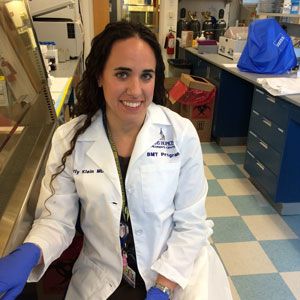
Orly Klein, MD
Clinical Assistant Professor, Pediatrics - Stem Cell Transplantation
Lucile Packard Children’s Hospital Stanford/Stanford University
Dr. Klein is a board certified pediatric oncologist specializing in blood and marrow transplantation. She is currently a Clinical Assistant Professor at Lucile Packard Children's Hospital Stanford and studying the mechanisms of lung dysfunction after hematopoietic stem cell transplantation.
Dr. Klein attended medical school at Mount Sinai School of Medicine where she also completed her residency in pediatrics. She completed a fellowship in pediatric hematology and oncology at the joint program of Johns Hopkins and the National Cancer Institute.
Birgit Knoechel, MD, PHD
Assistant Professor
University of Utah
Dr. Knoechel is a physician-scientist and Associate Professor of Pediatrics at the University of Utah School of Medicine in the Division of Pediatric Hematology/Oncology, where she holds the Ryan and Ashley Smith Presidential Chair in Pediatric Cancer. Her research focuses on investigating epigenetic dependencies and their implications for cancer cell plasticity and the immune microenvironment in lymphoid malignancies, with the goal to design the next generation of immunotherapies.
She received her MD and PhD degrees from Albert-Ludwigs-University in Freiburg, Germany, completed her pediatric residency at University of California San Francisco and a fellowship in Pediatric Hematology/Oncology/Stem Cell Transplantation at Dana-Farber Cancer Institute and Boston Children’s Hospital.
Kim Kramer, MD
Pediatric Hematologist/Oncologist
Memorial Sloan Kettering Cancer Center
Dr. Kramer is a pediatric oncologist who specializes in the care of children with neuroblastoma and other cancers that have spread in the central nervous system.
Dr. Kramer received her medical degree from SUNY Upstate Medical University and completed her residency in pediatrics at the University of Rochester medical Center. She completed her fellowship in Pediatric Hematology/Oncology at Memorial Sloan Kettering Cancer Center.
Jacqueline Kraveka, DO
Associate Professor of Pediatrics
Medical University of South Carolina
Dr. Kraveka is a pediatric hematologist-oncologist at the Medical University of South Carolina. Her clinical interests include neuroblastoma, pediatric sarcomas, pediatric precision medicine, and clinical trial development. She is actively involved in clinical pediatric research in the Children's Oncology Group and Beat Childhood Cancer consortia and is responsible for conducting over 50 Phase I, II and III clinical trials for pediatric oncology patients at MUSC.
Dr. Kraveka received her medical degree from Nova Southeastern University College of Osteopathic Medicine. She completed her residency in pediatrics at Miami Children's Hospital and a fellowship in pediatric hematology-oncology at the Medical University of South Carolina.
Theodore Laetsch, MD
Attending Physician and Associate Professor of Pediatrics
Children’s Hospital of Philadelphia
Dr. Laetsch is a pediatric oncologist and leads both the Developmental Therapeutics Program (DVL) and the Very Rare Malignant Tumors Program (VRMTP) at the Children’s Hospital of Philadelphia, as well as holding national leadership roles in each of these areas within the Children’s Oncology Group (COG). While individually very uncommon, together very rare malignant tumors comprise over 10% of childhood cancers. Given the rarity of each individual diagnosis, these cancers have been poorly studied and for many patients there are not standard, defined treatments. As the chair of the Rare Tumors Committee for the Children’s Oncology Group, Dr. Laetsch is working to advance the study of these tumors and define new ways to treat patients. Finally, Dr. Laetsch is a member of the cellular therapy / chimeric antigen receptor (CAR) T-cell team at the Children’s Hospital. Prior to joining the Children’s Hospital in 2020, Dr. Laetsch led the pediatric CAR T-cell program at the University of Texas Southwestern Medical Center.
Dr. Laetsch received his MD from the University of California, San Francisco. He completed his internship and residency in pediatrics at University of Colorado School of Medicine and Denver Children’s Hospital. He completed a fellowship in pediatric hematology-oncology at the Children’s Hospital of Philadelphia.
Casey Langdon, PHD
Assistant Professor
Medical University of South Carolina Children's Hospital
Dr. Langdon is an Assistant Professor in the Department of Pediatrics and a Member of both the Darby Children’s Research Institute and Hollings Cancer Center at the Medical University of South Carolina. The goal of the Langdon laboratory is to find less toxic and more effective targeted therapies for oncogenic fusion transcription factor-driven pediatric sarcomas. This includes the second most common pediatric bone cancer, Ewing sarcoma.
Dr. Langdon received his PhD training in Dr. David Stern’s laboratory at Yale University. His dissertation research consisted of using combination drug screens to nominate new dual inhibitor therapies for difficult to treat adult malignancies. These cancers included melanoma as well as lung and pancreatic cancers. His postdoctoral training was in the laboratory of Dr. Mark Hatley at St. Jude Children’s Research Hospital. In Dr. Hatley’s lab, Dr. Langdon studied how genetic alterations observed in fusion-negative rhabdomyosarcoma patients contributed to tumorigenesis in both murine and human models.
Jennifer Levine, MD
Associate Professor
Children's National Hospital
Dr. Levine is the Medical Director of Survivorship and Supportive Care at Children's National Hospital in DC. Since fellowship, her clinical interests have been in leukemia, late effects of treatment, and adolescent and young adult oncology care. Fertility preservation has been a primary area of research, education, and advocacy.
Prior to medical school she received a master’s degree in social work from the Hunter College School of Social Work in NYC. She attended medical school at the University of Virginia in Charlottesville, completed a pediatric residency at the Yale New Haven Hospital and a fellowship in Pediatric Hematology and Oncology at New York Presbyterian/Columbia in NYC.
David Loeb, MD, PHD
Chief, Pediatric Hematology, Oncology and Cellular Therapy
Professor, Pediatrics and Professor, Developmental and Molecular Biology
Children’s Hospital at Montefiore
Albert Einstein College of Medicine
Dr. Loeb’s clinical work focuses on tumors of connective tissue, such as bone and muscle. He also has expertise in the care of children with other solid tumors. As a member of the bone marrow transplantation team, he cares for patients with acute leukemias and has expertise in the application of immunotherapy to childhood cancer. Dr. Loeb has an active translational research laboratory focused on understanding bone tumor metastasis. In July 2023 the Department of Defense awarded Dr. Loeb a $400,000 two-year Idea Award to explore treatment-induced metastasis in Ewing sarcoma.
Dr. Loeb earned his MD and PhD in pathology at Columbia University. He completed his residency and fellowship in pediatric hematology oncology at Johns Hopkins University School of Medicine.
Melinda Merchant, MD, PHD
Chief Medical Officer
Normunity
Dr. Merchant is Chief Medical Officer at Normunity Inc, a company established to pioneer cancer-fighting medicines that target novel immuno-oncology mechanisms. A board-certified Pediatric Hematologist and Oncologist with a PhD in Immunology, Dr. Merchant held previous physician-scientist positions at the National Cancer Institute (NCI) and Memorial Sloan-Kettering Cancer Center with a focus on sarcomas and immunotherapy. She is the former VP of Early Stage Development at Epizyme where she led Translational Medicine and Early Clinical Development.
Dr. Merchant earned her MD and PhD at the University of Miami School of Medicine and Department of Immunology & Microbiology, trained in pediatrics at Children’s National Medical Center, and completed her fellowship at the National Cancer Institute in a combined program with Johns Hopkins Hospital.
David Milewski, PHD
Postdoctoral Researcher
National Cancer Institute
Dr. Milewski is a molecular biologist in the Genetics Branch at the National Cancer Institute. The goal of his research is to develop new targeted therapy combinations for high-risk pediatric solid tumors. Dr. Milewski specializes in adolescent and young adult sarcomas, particularly rhabdomyosarcoma and osteosarcoma, and studies their unique biological properties that can be exploited with combination therapies including immunotherapy.
Dr. Milewski earned his PhD in Molecular and Developmental Biology from a joint program between Cincinnati Children’s Hospital Medical Center and the College of Medicine at the University of Cincinnati.
Shakeel Modak, MD
Pediatric Oncologist; Chief, Neuroblastoma Service
Memorial Sloan Kettering Cancer Center
Dr. Modak is a pediatric oncologist who specializes in the treatment of children and young adults with neuroblastoma and other solid tumors, such as desmoplastic small round cell tumors. His multidisciplinary team of healthcare professionals discusses each patient’s case in order to put together an individualized treatment plan. Memorial Sloan-Kettering treats a large number of patients with neuroblastoma, and this volume has afforded him and his team a wealth of knowledge and depth of expertise that benefits all patients.
Dr. Modak earned his medical degree from Topiwala National Medical College and completed his fellowship in pediatric hematology/oncology at Memorial Sloan Kettering Cancer Center.
Adam J. Esbenshade, MD, MSCI
John N. Lukens, Jr. Chair in Pediatric Hematology and Oncology; Professor of Pediatrics Hematology/Oncology
Vanderbilt Children’s Hospital and Vanderbilt University Medical Center
Dr. Esbenshade is a Pediatric Neuro-oncologist and Professor of Pediatrics. His research focuses on Cancer Control, Supportive Care, Central Nervous System Malignancy, and Cancer Survivorship. Areas of active investigation include risk prediction modeling and establishing evidence-based data for the treatment of infectious disease complications during pediatric cancer for which he has a current multi-institution prospective validation study. He is also working on studies to improve the treatment of obesity and metabolic syndrome in cancer survivors, validating a comprehensive risk score that summarizes a cancer survivor's co-morbidities, as well as, clinical trials that focus on targeted therapy for CNS tumors. Dr. Esbenshade is a member of the Children's Oncology Group (COG) and is the Vice Chair of the COG Young Investigators Committee and Vice Chair of the COG Cancer Control and Supportive Care Committee.
Dr. Esbenshade earned his medical degree from the University of Tennessee at Memphis, followed by an internship and residency in pediatrics at LeBonheur Children’s Hospital. He then earned a Master of Science in Clinical Investigation and completed a fellowship in pediatrics hematology/oncology at Vanderbilt University.
Luke Mosley, MD, MTS
Assistant Professor, Division of Bioethics & Palliative Care
Seattle Children’s Hospital
Dr. Mosley is an Assistant Professor in the Division of Bioethics and Palliative Care at the Treuman Katz Center for Pediatric Bioethics and Palliative Care, the first in the country to focus on bioethics issues and palliative care scholarship in pediatrics.
Dr. Mosley completed his medical training and earned a Master of Theological Studies in theology and bioethics at Vanderbilt University and completed his residency and fellowship training at Cincinnati Children’s Hospital Medical Center.
Sabine Mueller, MD, PHD
Assistant Professor of Clinical Pediatrics and Neurosurgery
University of California San Francisco
Dr. Mueller is a pediatric neuro-oncologist who specializes in caring for children with brain tumors and related genetic syndromes. She leads the pediatric brain tumor program at UCSF and serves as one of the leads of the pediatric malignancy program of the UCSF Helen Diller Comprehensive Cancer Center. Dr. Mueller is a co-founder and project leader of the Pacific Pediatric Neuro-Oncology Consortium, which is a network of children's hospitals focused on clinical trials of personalized medicine – therapies that are specific to the biology of each patient’s tumor.
Dr. Mueller earned her medical degree at the Universität Hamburg Faculty of Medicine and earned a doctorate in biochemistry and molecular biology in collaboration with AGY. After a residency in pediatrics at Massachusetts General Hospital, she completed a fellowship in pediatric oncology at UCSF. Before completing medical school, she worked as a scientist, director of genomics, and project leader for a brain tumor program at AGY Therapeutics, a biotechnology company in South San Francisco.
Esther Obeng, MD, PHD
Assistant Member, Molecular Oncology
St. Jude Children’s Research Hospital; Memphis, TN
Dr. Obeng received her MD and her PhD from the University of Miami. She completed her residency in the Boston Combined Residency Program in Pediatrics and Pediatric Hematology/Oncology fellowship training at the Dana-Farber Cancer Institute and Boston Children’s Hospital. Her research focuses on the genomics of myeloid malignancies, specifically using functional genomics to identify and interrogate novel synthetic lethal pathways in pre-leukemic cells.
Etan Orgel, MD, MS
Attending Physician
Children’s Hospital Los Angeles
Dr. Orgel is an attending physician within the Leukemia and Lymphoma and Survivorship and Supportive Care Program at the Children's Hospital Los Angeles. He is also Director of Quality & Patient Safety for their Cancer and Blood Disease Institute and has an academic appointment as Associate Professor of Clinical Pediatrics at the Keck School of Medicine of the University of Southern California. Dr. Orgel's research focuses on investigating the impact of obesity on pediatric leukemia toxicity and relapse and developing new agents and strategies to reduce chemotherapy-induced permanent hearing loss. His clinical specialty is acute leukemias, where he is an international expert in a rare form of the disease, Acute Leukemia of Ambiguous Lineage. Dr. Orgel serves on the Steering Committees for the Children's Oncology Group Cancer Control & Supportive Care and Adolescent & Young Adult domain committees, and as co-chair for the Supportive Care Committee of the Therapeutic Advances in Childhood Leukemia & Lymphoma early phase trials consortium.
Dr. Orgel completed a general pediatrics residency at Children's National Medical Center in Washington, DC, Pediatric Hematology/Oncology fellowship at CHLA, and a Master of Science in Clinical and Biomedical Investigations from the University of Southern California.
Devang J. Pastakia, MD, PHD
Associate Professor of Clinical Pediatrics, Division of Pediatric Hematology/Oncology & Associate Residency Director
Vanderbilt University Medical Center
Dr. Pastakia's main clinical focus is pediatric neuro-oncology. He has worked closely with multiple subspecialists to help build the pediatric brain tumor program at Vanderbilt. He is currently the faculty co-lead for the medical education academic community for the pediatric residency program. He works closely with the pediatric hematology fellows as the associate fellowship director and clinical mentor.
Dr. Pastakia received his medical degree from New Jersey Medical School in Newark, NJ, completed his pediatric residency at Johns Hopkins Medical Center, and Pediatric Hematology-Oncology fellowship in the combined NIH/Johns Hopkins program.
John Prensner, MD, PHD
Assistant Professor of Pediatrics and Biological Chemistry
University of Michigan
Dr. Pensner joined the faculty at the University of Michigan in 2023. His lab focuses on the molecular basis of cancer, with a particular interest in pediatric brain cancers. His work uses high-throughput approaches to study RNA processing, RNA translation, and proteomics in cancer. His group also focuses on activation of the non-coding genome in cancer, resulting in RNA translation of non-canonical open reading frames. The goal is to use this information for improved therapeutics and drug development in cancer.
Dr. Prensner earned his MD and PhD degrees at the University of Michigan Medical School. His PhD focused on long noncoding RNAs in cancer. He then completed a residency in pediatrics and fellowship in pediatric hematology/oncology at Boston Children’s Hospital & Dana-Farber Cancer Institute. He conducted post-doctoral research with Dr. Todd Golub at the Broad Institute of MIT and Harvard, where he developed approaches to discover and characterize non-canonical translation in cancer.
Edward V. Prochownik, MD
Director of Oncology Research
UPMC Children’s Hospital of Pittsburgh
Dr. Prochownik is interested in cancers resulting from the de-regulated expression of the c-Myc oncoprotein. He is using animal models of pediatric and adult liver cancer (hepatoblastoma and hepatocellular carcinoma) to ascertain the molecular, biochemical, and metabolic changes that accompany tumor progression, regression, and recurrence. For over 30 years, Dr. Prochownik‘s laboratory has been engaged in continuous studies of the c-Myc (Myc) oncoprotein and its role in cancer. They were the first to demonstrate that Myc deregulation blocks terminal differentiation of hematopoietic cells, a finding that has since been extended to multiple other systems and is a central aspect of Myc-mediated transformation
Dr. Prochownik earned his PhD in Pathology/Virology from the University of Chicago, and MD from the University of Chicago-Pritzker School of Medicine. He was an Intern and Junior Assistant Resident in Pediatrics at Boston’s Children’s Hospital, and a Clinical and Research Fellow in Pediatric Hematology-Oncology at Boston Children's Hospital and Dana Farber Cancer Institute-Harvard Medical School.
Linda Radbill, PHD
Pediatric Psychologist
Children's Healthcare of Atlanta
Dr. Radbill is a pediatric psychologist and Supportive Care Psychology Program Manager at the Aflac Cancer and Blood Disorders Center of Children’s Healthcare of Atlanta. Dr. Radbill is an assistant professor at Emory University. Her research interests are focused on coping and adjustment among families of children with serious medical illnesses, as well as the relationship between social determinants of health and care.
Dr. Radbill received her doctoral degree in psychology from the University of Florida. She completed an internship at a residential facility for children with severe emotional and behavioral issues who had been exposed to significant trauma and her fellowship at St. Jude Children's Research Hospital.
Rachel Rau, MD
Pediatric Hematologist-Oncologist
Associate Professor
Seattle Children's Hospital
University of Washington
Dr. Rau is an Associate Professor of Pediatrics at The University of Washington and a board-certified pediatric hematologist-oncologist at Seattle Children's Hospital. Her lab-based research program at the Ben Towne Center for Childhood Cancer Research is focused on understanding the molecular mechanisms that drive leukemogenesis and therapy resistance with the aim of translating these findings into clinical applications. Through clinical trial work with the Children's Oncology Group (COG), she also works to introduce novel agents and assays into the therapy for children with leukemia to enhance efficacy and minimize toxicities of treatment. She has served as chair or vice-chair of five COG studies including co-chairing the upfront NCI standard risk B-ALL trial, AALL1731. She is also COG ALL Vice-Chair (Biology).
Dr. Rau earned her medical degree from the Ohio State University College of Medicine and completed her pediatric residency and fellowship at the Johns Hopkins Children’s Center.
Renee Read, PHD
Assistant Director for Basic Research and Shared Resources
Winship Cancer Institute
Dr. Read is an Associate Professor in both the Department of Pharmacology and Chemical Biology and the Department of Hematology and Medical Oncology at Emory University. Her lab seeks to understand the molecular logic underlying the initiation and progression of primary brain tumors to gain new insights into neurodevelopment and neurophysiology that can contribute to improved treatment and diagnosis of these diseases.
Dr. Read received her PhD from Washington University in St. Louis, MO followed by training in developmental neurobiology and brain tumor biology at The Salk Institute for Biological Studies.
Damon Reed, MD
Head of the Division of Pediatric Solid Tumors and Chief of the Pediatric Sarcoma Service
Memorial Sloan Kettering Cancer Center
Dr. Reed is a pediatric hematologist-oncologist on the MSK Kids team at Memorial Sloan Kettering Cancer Center. He specializes in the care of children, adolescents, and young adults with sarcomas and other solid tumors with expertise in studying the changes that happen in tumors to make them resistant to therapies. His research is focused on characterizing the mechanisms of therapeutic resistance and drives the development of therapies with better capacities to overcome resistance and reduce disease relapse. Dr. Reed founded the Sunshine Project, the Pediatric Cancer Foundation’s pediatric Phase 1 clinical trial consortium. This collaborative venture unites the nation’s top doctors and researchers to find a faster cure for pediatric cancer. He also holds leadership roles in multiple collaborative groups, including Vice Chair of the Bone Tumor Committee for the Children’s Oncology Group and Vice President of the Connective Tissue Oncology Society. In 2024, he will assume the position of President for the latter organization.
Dr. Reed earned his MD from Case Western Reserve University School of Medicine in Cleveland, OH. He completed a combined pediatric residency program at Boston Children’s Hospital-Harvard Medical School and Boston Medical Center-Boston University School of Medicine. This training was followed by a fellowship in pediatric hematology/oncology at St. Jude Children’s Research Hospital.
Linda Resar, MD
Professor of Medicine (Hematology), Oncology, & Pathology
Co-Director, Bloodless Medicine & Surgery Program
Johns Hopkins University School of Medicine & the Johns Hopkins Hospital
Dr. Resar is a pediatric hematologist-oncologist and physician-scientist at the Johns Hopkins University School of Medicine. Her research program is directed at understanding the molecular underpinnings of leukemia, myeloproliferative neoplasms, and tumor progression. In 2000, her team discovered HMGA1 as a potent oncogene important in leukemia development and therapy resistance. Her laboratory subsequently found that HMGA1 drives tumor progression and refractory disease in diverse tumors. Since then, Dr. Resar and her team have focused on mechanisms underlying HMGA1 in leukemia and other tumors in order to develop novel approaches to disrupt its function in therapy
Dr. Resar earned her MD from the Medical College of Wisconsin and then completed her Residency and Fellowship in Pediatrics at Johns Hopkins University School of Medicine.
Jezebel Rodriguez-Blanco, PHD
Assistant Professor of Pediatrics
Medical University of South Carolina
Dr. Rodriguez-Blanco’s research is focused on medulloblastoma, with an emphasis on identifying novel therapeutics to block tumor growth and prevent its relapse. Due to the significant morbidity that current multimodal therapy has in developing children, one of her major research lines is focused on finding targeted therapeutics for these tumors. Additionally, she is working to find novel therapeutics for some of the most lethal forms of pediatric brain tumors. This second research line includes tumors considered very high-risk diseases such as the TP53 mutant Sonic Hedgehog subgroup or the MYC amplified group 3 medulloblastoma, and high-grade gliomas, such as the virtually incurable diffuse intrinsic pontine glioma.
Dr. Rodriguez-Blanco completed her graduate studies in neurosciences at the University of Oviedo (Spain). Then, after receiving additional training in neurosciences at the University of Columbia, she completed a postdoctoral appointment in cancer research at the University of Miami.
Tom Rosenberg, MD
Attending Physician
Instructor of Pediatrics
Dana-Farber Cancer Institute
Harvard Medical School
Dr. Rosenberg is a pediatric neuro-oncologist caring for children with brain and spine tumors, with a focus on malignant cancers of infancy and the use of targeted agents for pediatric brain tumors. His clinical research efforts include the development of novel clinical trials, aiming to improve the treatment approaches and outcomes for children with malignant brain tumors such as atypical teratoid rhabdoid tumors (ATRT), collaborations with basic scientists to translate preclinical findings into novel therapies, and the use of CSF derived tumor markers for the diagnosis and treatment of pediatric brain and spine tumors.
Dr. Rosenberg received his medical degree from Ben Gurion University of the Negev in Beer Sheva. He went on to complete his residency at Tel Aviv Sourasky Medical Center and his fellowship at the Dana-Farber Cancer Institute in Pediatric Neuro-Oncology.
Daniel Runco, MD
Attending Physician, Cancer & Blood Disorders Center
Seattle Children’s Hospital
Dr. Runco is a Pediatric Oncologist in the Brain Tumor Program at Seattle Children’s Hospital and Assistant Professor at the University of Washington School of Medicine. Dr. Runco joined the faculty in 2024 as a Clinician Scholar with research interests in childhood cancer cachexia. His research is focused on better understanding nutrition and body composition changes that occur during cancer treatment and how that impacts long-term survival and quality of life. He continues to be active in national and international clinical trials and collaborative societies around treating childhood brain tumors and cancer cachexia.
Dr. Runco attended Loyola University Chicago Stritch School of Medicine and completed his residency in pediatrics at Riley Hospital for Children and Indiana University School of Medicine. He served as Chief Resident and Clinical Lecturer in the Department of Pediatrics at Riley Hospital for Children before completing a fellowship in hematology/oncology at the Aflac Cancer and Blood Disorders Center at Children’s Healthcare of Atlanta. Dr. Runco also earned a Master of Science in Clinical Research from Emory University Laney Graduate School.
Marta Sanchez-Martin, PHD
Associate Director, Translational Science
Ikena Oncology
Dr. Sanchez-Martin is a translational scientist committed to bringing new therapies to the clinic for pediatric oncology patients. She now serves as Translational Lead of TEAD and MEK inhibitor programs with Ikena Oncology. Dr. Martin-Sanchez has over 14 years of experience investigating the molecular bases of drug response and resistance in cancer and over six years of industry experience leading studies and scientists to build MOA-guided combination and biomarker strategies for new oncology therapeutics.
Dr. Martin-Sanchez earned her PhD from Columbia University.
Elias Sayour, MD, PHD
Professor for Pediatric Oncology Research; Assistant Dean
Principal Investigator
University of Florida Health
Preston A. Wells, Jr. Center for Brain Tumor Therapy
Dr. Sayour is the Stop Children's Cancer/Bonnie R. Freeman Professor for Pediatric Oncology Research in the UF departments of neurosurgery and pediatrics at the University of Florida. He is also a principal investigator of the ribonucleic acid engineering laboratory at the Preston A. Wells, Jr. Center for Brain Tumor Therapy. His primary research focus is developing tumor RNA loaded nanocarriers to redirect host immunity against pediatric brain tumors. Dr. Sayour is an NIH-funded investigator focused on developing new nanotech vaccines to reprogram the immune system against cancer cells. His group is investigating the safety and efficacy of this novel vaccine formulation in canines with malignant brain tumors before translation into dedicated human studies. His work has been nationally recognized by the American Society of Pediatric Hematology-Oncology, National Institutes of Health, and US Department of Defense.
Dr. Sayour earned his medical degree from the University of Buffalo and his doctorate from Duke University. He completed his residency in pediatrics at Cohen’s Children’s Medical Center in New York and his fellowship at Duke University Medical Center. During his fellowship training, he completed a two-year National Institutes of Health research fellowship in cancer biology and developmental therapeutics.
Jeff Schwartz, MD
Pediatric Hematologist-Oncologist
Studer Family Children's Hospital
Dr. Schwartz is a pediatric hematologist and oncologist at Studer Family Children's Hospital Pediatric Blood and Cancer in Pensacola, FL. Dr. Schwartz oversees the care of general oncology patients with leukemia, lymphoma, solid tumors and brain tumors as well as hematology patients, treating conditions such as sickle cell disease, anemia and bleeding and clotting disorders. Previously at Nemours Children's Specialty Care Pensacola, he was principal investigator for Children's Oncology Group clinical trials, center director for the Florida Association of Pediatric Tumor Programs, and medical director of Children's Medical Services regional hematology and oncology program.
Dr. Schwartz received his medical degree from the University of Kentucky, completed his residency training in pediatrics at Wake Forest University, and his fellowship in hematology and oncology at the University of Alabama at Birmingham.
Kevin Shannon, MD
Professor, Department of Pediatrics; Roma and Marvin Auerback Distinguished Professorship in Pediatric Molecular Oncology
University of California San Francisco
Dr. Shannon is a physician-scientist whose research program focuses on normal and leukemic hematopoiesis with an emphasis on genetic mechanisms underlying leukemia development, aberrant RAS signaling, mouse cancer modeling, molecular therapeutics and drug resistance. His laboratory has discovered inherited and somatic mutations that cause human developmental disorders and contribute to leukemia. He led the Hematopoietic Malignancies Program at the UCSF Helen Diller Comprehensive Cancer Center from 2002-2012, was Director of the UCSF Medical Scientist Training Program (MSTP) from 2006-2012, and is currently the Director of the UCSF Physician Scientist Scholar Program. Dr. Shannon was a member of the NCI Board of Scientific Advisors from 2012-21. He recently served on the Pediatric Cancer Working Group for the NCI Cancer Biden Moonshot Initiative and as Co-Chair of the NCI Childhood Cancer Data Initiative Working Group.
Dr. Shannon received his MD from Cornell University, completed residency training in pediatrics at UT Southwestern Medical Center in Dallas, and completed a fellowship in pediatric hematology/oncology at UCSF. He served 10 years in the US Navy Medical Corps before joining the full-time UCSF faculty in 1992.
Jenny Shim, MD
Pediatric Hematologist and Oncologist
Children’s Healthcare of Atlanta
Dr. Shim is an instructor in the Department of Pediatrics at Emory University School of Medicine. She serves as a pediatric hematologist and oncologist at Aflac Cancer and Blood Disorders Center of Children's Healthcare of Atlanta. Dr. Shim's current research interests center on improving our understanding of the genetics and tumor microenvironment of high-risk neuroblastoma and identifying targetable therapeutic agents that will improve long-term survival. Her basic/translational research focuses on neuroblastoma therapy resistance and the Hippo/YAPpathway.
Dr. Shim received her Medical Degree from Albany Medical College in Albany, New York. She completed her pediatric residency at The University of Texas Southwestern Medical Center in Dallas, Texas. She attended Emory University School of Medicine in Atlanta, Georgia, to complete her fellowship in pediatric hematology/oncology.
Sanford Simon, PHD
Gunter Blobel Professor, Laboratory of Cellular Biophysics
Rockefeller University
Dr. Simon’s lab studies individuals—single proteins, vesicles, viruses, or cancers - then uses, or invents, the tools or techniques that are needed to address the problem. His current work on childhood, adolescent, and young adult cancers runs the gamut from identifying oncogenic drivers and studying malignant transformation to designing clinical trials. Dr. Simon is currently exploring a single precisely defined cancer that affects children and young adults: fibrolamellar hepatocellular carcinoma, which affects the liver and is usually lethal.
Dr. Simon earned his Bachelors in neuroscience from Princeton University, followed by his Masters and PhD in physiology and biophysics from the New York University School of Medicine.
Christine Moore Smith, MD
Associate Professor of Clinical Pediatrics, Division of Pediatric Hematology/Oncology
Vanderbilt University Medical Center
Dr. Smith is an Associate Professor of Clinical Pediatrics at Vanderbilt University Medical Center. Clinically, she focuses on hematologic malignancies with a special focus on lymphomas, both Hodgkin and non-Hodgkin. Her research interests include rare lymphomas such as relapsed/refractory ALCL, PTLD, and mature B cell lymphomas. Additionally, Dr. Smith is active in efforts to improve the quality and safety of care provided to patients and families undergoing treatment for childhood cancer and blood disorders both locally and nationally. Dr. Smith received her medical degree from ETSU - Quillen College of Medicine, completed her pediatric residency at the Medical University of South Carolina, and then completed her Pediatric Hematology/Oncology fellowship at Vanderbilt prior to joining the faculty in 2019.
Lindsey Talbot, MD
Surgeon
St. Jude Children's Research Hospital
Dr. Talbot is a board-certified pediatric surgeon at the Assistant Member level at St. Jude Children’s Research Hospital. Clinically, her expertise is in limb salvage and metastatic disease control in bony and soft tissue sarcomas. She is clinically integrated with all sarcoma patients undergoing operative intervention in the primary and metastatic settings at St. Jude. Dr. Tolbert has a 75% protected research commitment, and her laboratory is embedded within the Department of Bone Marrow Transplant and Cell Therapy, where she investigates cell therapy and immuno-oncology for pediatric solid tumors, including specifically the role of chemokine-mediated homing of CAR T cells to metastatic tumor sites.
She completed her undergraduate degrees in English Language, Spanish Language, and Biology at North Carolina State University, and her medical school training at Duke University School of Medicine. Dr. Talbot’s General Surgery residence was completed at Duke University, followed by Surgical Critical Care fellowship at Nationwide Children’s Hospital and Pediatric Surgery fellowship at the University of Chicago Comer Children’s Hospital.
Gevorg Tamamyan, MD, MSc, PHD, DSc
Dr. Tamamyan is a Professor and the Chairman of the Department of Hematology and Pediatric Oncology at Yerevan State Medical University (YSMU), President of the International Society of Pediatric Oncology Asia Continental Branch (SIOP Asia), President of the Pediatric Oncology East and Mediterranean (POEM) Group, CEO of the Immune Oncology Research Institute, Co-Chair of St. Jude EURO Regional Advisory Committee, Chairman of the Board and Co-founder of the Institute of Cancer and Crisis, and the Editor-in-Chief and Co-Founder of OncoDaily.
Dr. Tamamyan is also the adviser to the Rector of YSMU. He is the ambassador of the Society of Hematologic Oncology, member of the ASCO International Committee's Steering Group and Grants Selection Committee, member of the SIOP Essential Medications Working Group, International Scientific Advisory Board Member of the Sharing Progress in Cancer Care (SPCC), Expert Council Member of the ACT for Children, Co-founder of the Armenian Association of Hematology and Oncology, a Co-founder and a Board Member of the City of Smile Foundation, the largest cancer charity in Armenia.
MD and PhD degrees, he received from YSMU and MSc from the University of Ulm (Germany). He completed postdoc in leukemia at the University of Texas MD Anderson Cancer Center (USA), visiting fellowships at China Medical University Hospital (Taiwan) and St. Anna Children’s Hospital (Austria), was a medical research fellow at the Headquarters of the European Organization for Research and Treatment of Cancer (Belgium), visiting scientist at Dana-Farber/Boston Children’s Cancer and Blood Disorders Center (USA), completed High-Impact Cancer Research postgraduate program at the Harvard Medical School (USA), Global Health Delivery Intensive Course at the Harvard School of Public Health (USA), and Global Health Diplomacy Executive Course at the University of Toronto (Canada). He is a recipient of numerous awards and distinctions, among them the ASCO IDEA (2013) and LIFe (2014) Awards, 40 Under 40 in Cancer Award (2022), he was recognized as a Young Leader of the International Agency for Cancer Research (2016) and Union for International Cancer Control (2016), and selected for the ASCO Leadership Development Program (2022).
Sarah Tasian, MD
Chief, Hematologic Malignancies Program;
Associate Professor of Pediatrics (Oncology)
Children’s Hospital of Philadelphia
Perelman School of Medicine, University of Pennsylvania
Dr. Tasian is a pediatric oncologist and physician-scientist at the Children’s Hospital of Philadelphia and University of Pennsylvania Perelman School of Medicine interested in the development of molecularly-targeted therapeutics for children with high-risk leukemias. She specializes in the clinical care of children with hematologic malignancies and is an internationally-recognized expert in pediatric ALL and AML. Her bench-to-bedside and bedside-back-to-bench translational laboratory research program focuses on testing kinase inhibitors and chimeric antigen receptor (CAR) T cell immunotherapies in genetic subsets of childhood ALL and AML. Dr. Tasian has leadership roles in the Children’s Oncology Group ALL and Myeloid Diseases committees and Leukemia Lymphoma Society PedAL/EuPAL consortium. She is the COG Developmental Therapeutics committee Vice-Chair of Biology for Hematologic Malignancies, and leads or co-leads several national or international early-phase clinical trials testing precision medicine therapies in children with high-risk leukemias.
Dr. Tasian earned her medical degree from Baylor College of Medicine, completed her residency in pediatrics at Seattle Children’s Hospital, and fellowship in Pediatric Hematology-Oncology at the University of California San Francisco.
Jessica W. Tsai, MD, PHD
Attending Physician in Pediatric Oncology
Assistant Professor of Pediatrics
Children’s Hospital Los Angeles
University of Southern California
Dr. Tsai is an Assistant Professor of Pediatrics at Keck School of Medicine of the University of Southern California (USC), Attending Physician in Pediatric Neuro Oncology at Children’s Hospital Los Angeles (CHLA), and Full Member in the Epigenetic Regulation in Cancer Program at USC Norris Comprehensive Cancer Center. The Tsai Laboratory in the Cancer and Blood Disease Institute at CHLA studies the genomic and epigenetic drivers of pediatric brain tumors with the ultimate goal of improving outcomes for childhood cancer. The lab focuses on identifying novel dependencies and harnessing a toolbox of approaches – including molecular neurobiology, functional genomics, transcriptomics, cancer biology, and proteomics – to better identify therapeutic targets.
Dr. Tsai received her MD and PhD from the Medical Scientist Training Program at Stanford University School of Medicine. She completed her residency in Pediatrics at the Boston Combined Residency Program at Boston Children’s Hospital and Boston Medical Center, followed by her clinical fellowship and postdoctoral fellowship in Pediatric Hematology-Oncology at Dana-Farber Cancer Institute and Boston Children’s Hospital. She joined the faculty at Children’s Hospital Los Angeles and Keck School of Medicine of USC in 2024.
Paulina Velasquez, MD
Assistant Member, Bone Marrow Transplantation and Cellular Therapy
St. Jude Children’s Research Hospital
Dr. Velasquez is interested in adoptive immunotherapy of hematological malignancies. Her current work is focused on using genetically modified T cells to target hematological malignancies, their functional characterization in vitro, and working with leukemia and lymphoma xenograft models.
Dr. Velasquez received her MD from the Universidad Francisco Marroquin in Guatemala followed by her training at Baylor College of Medicine.
Samuel L. Volchenboum, MD, PHD
Professor
Director
University of Chicago
Pediatric Cancer Data Commons
Dr. Sam Volchenboum is a Professor in the Department of Pediatrics and Associate Chief Research Informatics Officer for the Biological Sciences Division. He is the Associate Dean of Master’s Education and the Informatics Lead for the Institute for Translational Medicine. He is the Program Director for the Clinical Informatics Fellowship Program. His clinical specialty is pediatric hematology/oncology, caring for kids with cancer and diseases of the blood. In addition to caring for patients, Dr. Volchenboum studies ways to harness computers to enable research and foster innovation using large data sets. In addition to his clinical practice, he directs the Data for the Common Good, a research group dedicated to liberating and democratizing data. Their largest project, the Pediatric Cancer Data Commons, is the world’s biggest publicly-available repository for data from children with cancer. Until 2019, Dr. Volchenboum directed the Center for Research Informatics, a 40-person group that supports biological research throughout the division. As director of this center, he oversaw high-performance computing, HIPAA-compliant storage and backup, application development to support clinical trials, development and maintenance of the clinical trials management system, the clinical research data warehouse, data analytics and visualization, and bioinformatics, including high-throughput genomic analyses and machine learning.
Dr. Volchenboum received his PhD in molecular biology and MD from the Mayo Medical School. He completed his residency at Cincinnati Children’s Hospital Medical Center before going to Boston for his pediatric hematology/oncology fellowship at the Dana-Farber Cancer Institute and Boston Children’s Hospital. He also completed a fellowship in informatics and received his Master’s in biomedical informatics from the Massachusetts Institute of Technology.
Daniel Wechsler, MD, PHD
Director, Pediatric Oncology
Children’s Healthcare of Atlanta
Dr. Wechsler is the director of pediatric oncology at the Aflac Cancer and Blood Disorders Center of Children’s Healthcare of Atlanta and specializes in the treatment of childhood leukemia. He previously served as associate professor of pediatrics, and pharmacology and cell biology at Duke University School of Medicine. The primary focus of Dr. Wechsler’s laboratory is an investigation of the pathogenesis of CALM-AF10 leukemias. They were the first to describe a translocation between MLL and CALM genes in an infant with acute myeloid leukemia, and from this stemmed their interest in understanding the more common CALM-AF10 leukemias.
Dr. Wechsler earned his MD and PhD in Physiology from McGill University in Montreal, Canada. He completed his residency in pediatrics and a fellowship in pediatric hematology/oncology at The Johns Hopkins Hospital in Baltimore, Maryland.
Lena Winestone, MD, MS
Assistant Professor of Pediatrics
University of California San Francisco
Dr. Winestone is an Assistant Professor of Pediatrics in the Division of Malignancies and Bone & Marrow Transplant at the University of California San Francisco. She is also a pediatric blood and bone marrow transplant specialist with a strong interest in caring for children with high-risk or relapsed leukemia or lymphoma. Her research explores racial, ethnic, and socioeconomic disparities in access to care and outcomes of leukemia and lymphoma treatment. Her ongoing work investigates access to highly specialized and complex therapies such as stem cell transplant, CAR T-cells and MIBG therapy.
Dr. Winestone earned her medical degree at Stanford University School of Medicine. She then completed a residency in pediatrics at Lucile Packard Children's Hospital Stanford and a fellowship in pediatric hematology and oncology at the Children's Hospital of Philadelphia. She also has a master's degree in health policy research from the University of Pennsylvania Perelman School of Medicine.
Adam J. Wolpaw, MD, PHD
Assistant Professor
Children's Hospital of Philadelphia
Dr. Wolpaw is pediatric oncologist at the Children’s Hospital of Philadelphia with a basic and translational laboratory program focused on investigating the impact of tumor heterogeneity on inflammatory signaling and immunotherapy response in pediatric solid tumors. His clinical work is focused on the care of children with extracranial solid tumors.
Tao Yue, PHD
Assistant Professor
The University of Texas Southwestern Medical Center
Dr. Tao Yue is an Assistant Professor in the Center for the Genetics of Host Defense and the Department of Immunology at the University of Texas Southwestern Medical Center, as well as a faculty member of the Harold C. Simmons Comprehensive Cancer Center. Dr. Yue focuses on developing innovative cancer immunotherapies, with a particular emphasis on osteosarcoma. His research combines advanced tumor immunology, genetic screening, and molecular biology to design next-generation therapeutics targeting the tumor microenvironment.
He earned his PHD from UT Southwestern, where his research contributed to our understanding of tumor suppressor signaling pathways. Dr. Yue also completed his postdoctoral training in the laboratory of Nobel Laureate Dr. Bruce Beutler, where he established forward genetic screens in mice to identify critical regulators of T cell-mediated immunity.
Jason T. Yustein, MD, PHD
Pediatric Oncologist
Children’s Healthcare of Atlanta
Dr. Yustein is a pediatric oncologist and physician-scientist at Children’s Healthcare of Atlanta. Dr. Yustein's laboratory is dedicated to understanding mechanisms of metastasis and therapeutic resistance and identifying new treatment avenues for the treatment of sarcomas.
Dr. Yustein earned his MD and his PhD in molecular biology and microbiology from Case Western Reserve University in Cleveland, OH. He completed his residency in pediatrics and his clinical fellowship in pediatric hematology and oncology at Johns Hopkins University in Baltimore, MD.
Wafik Zaky, MD
Professor of Pediatrics Patient Care
University of Texas MD Anderson Cancer Center
Dr. Zaky’s areas of expertise are developing novel therapies including Phase I personalized targeted therapy clinical trials for brain tumors in children and immunotherapeutic strategies for recurrent and refractory brain tumors. His main career goal is to improve the lives affected by brain tumors, especially those with recurrent or progressive disease.
Dr. Zaky received his MD from Cairo University in Egypt followed by his residency at SUNY Upstate Medical University and his fellowships at NYU Medical Center and Children’s Hospital Los Angeles.
Jiwang Zhang, MD, PHD
Professor, Cancer Biology; Radiation Oncology
Loyola University Chicago
Dr. Zhang’s clinical interests involve hematopoietic disorders including leukemia, MPD, MDS and bone marrow failure. Dr. Zhang earned his MD from Lanzhou Medical College in China, followed by his PhD at Shanghai Second Medical University and postdoctoral fellowship at Stowers Institute for Medical Research.